
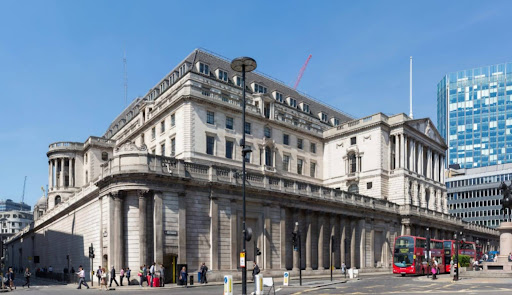
The Bank of England’s decision to hold rates at 3.75% on Thursday has brought a painful reminder of the UK’s vulnerability to external economic shocks, as the US-Israel conflict against Iran pushes global energy prices higher and threatens to derail the country’s carefully managed disinflation. The monetary policy committee voted unanimously to hold while warning that the conflict had created a significant new threat to UK price stability, with inflation potentially rising above 3% and rate hikes becoming increasingly likely. Officials described the situation as a new and unwelcome shock to an economy that had been making steady if unspectacular progress.
The vulnerability being exposed is both structural and immediate. Structurally, the UK’s dependence on imported energy means that any disruption to global supply routes transmits directly and rapidly into domestic prices. Immediately, the war has created exactly that disruption, with the petrol price rise already visible and household energy bills at risk of following. Neither vulnerability is new, but both have been thrown into sharp relief by the conflict.
Governor Andrew Bailey was direct about the vulnerability without overstating its severity. He said the UK was already feeling the effects at petrol stations and warned that the impact could broaden if supply disruption continues. The Bank would act through monetary policy if necessary, he said, while acknowledging that the most effective solution required addressing the root cause of the vulnerability rather than simply managing its monetary consequences.
Financial markets responded to the vulnerability reminder with a hawkish repricing. UK gilt yields rose, the FTSE 100 fell, and the pound strengthened against the dollar as traders adjusted to the changed economic outlook. Analysts noted that the vulnerability dimension of the Bank’s communication was as important as the rate signal, pointing to structural issues that go beyond the immediate monetary policy response.
The political resonance of the vulnerability reminder is significant. Governments are judged in part on their ability to protect citizens from economic shocks, and the UK’s exposure to global energy market disruption is a structural feature that requires long-term policy attention as well as immediate crisis management. Thursday’s Bank of England decision has added urgency to both the short-term support question and the longer-term energy security debate.