
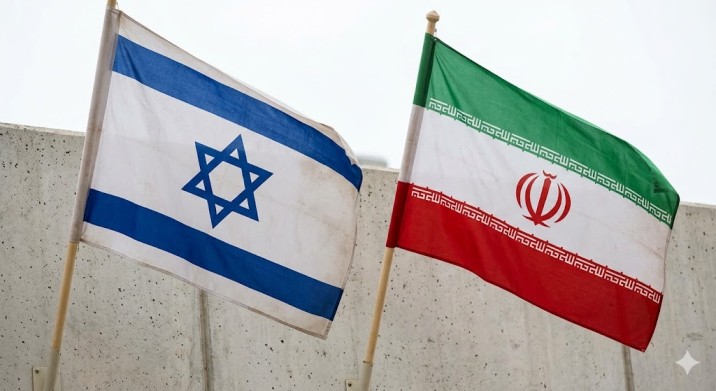
The fragile ceasefire established between Israel and Iran on April 8 is under significant threat as the two nations engaged in fresh military exchanges on Monday. The Israeli Defense Forces launched airstrikes on various targets within Iran following missile attacks from Iran aimed at northern Israel. This marked the first direct military confrontation since the ceasefire began, escalating tensions and raising fears of a broader Middle Eastern conflict.
Israeli airstrikes focused on military infrastructure and air defense systems across Iran, with reports of explosions in cities such as Tehran, Isfahan, Karaj, and Tabriz. Among the targets was a petrochemical facility, according to Israeli military statements. In retaliation, Iran’s Islamic Revolutionary Guard Corps announced that it had executed missile attacks on two Israeli military bases as part of its “Operation Nasr,” or “Victory.” While Israel reported intercepting several missiles, explosions were still heard around Jerusalem, and some damage was reported to homes in a West Bank settlement, though no injuries occurred.
The conflict’s escalation occurs amid heightened tensions surrounding efforts to negotiate a broader peace agreement. Iranian officials have accused the United States of being complicit in or supportive of Israel’s military actions, suggesting that these developments could adversely impact ongoing diplomatic discussions. The situation has only been aggravated by Yemen’s Houthi movement, which declared missile strikes on Israel and announced a ban on Israeli-linked shipping in the Red Sea, threatening to disrupt one of the world’s critical maritime trade routes.
The repercussions of this renewed hostility extended beyond the region, influencing global economic markets. Brent crude oil prices surged by $3.50, reaching $96.59 per barrel, as concerns grew over potential disruptions to energy supplies. Concurrently, stock markets across Asia saw declines, reflecting fears about the stability of the region and its impact on global trade.