
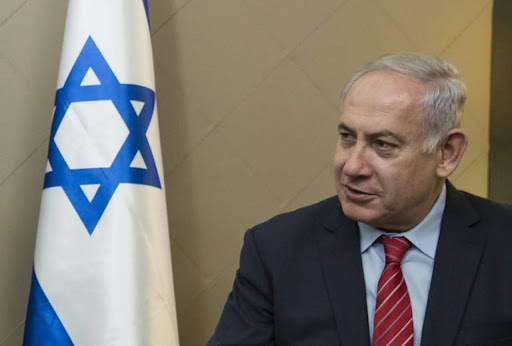
Israeli Prime Minister Benjamin Netanyahu framed Friday’s press conference in explicitly global terms, declaring that Israel had given the world a safer future by stopping Iran’s march toward nuclear weapons through twenty days of conflict that eliminated Tehran’s uranium enrichment and ballistic missile production capabilities. He rejected claims about Israeli manipulation of US foreign policy. Netanyahu was measured and historically significant in tone throughout the briefing, presenting Israel’s military campaign as a contribution to global security that would be felt for generations.
The prime minister addressed the Trump-Israel alliance with both pride and analytical precision. He called their coordination historically unprecedented and framed Trump as the dominant partner in the relationship. Netanyahu disclosed that Trump had contributed his own independently formed and deeply analytical understanding of Iran’s nuclear threat to their discussions, enriching their shared strategic thinking with insights that reflected genuine intellectual depth and strategic sophistication.
Netanyahu confirmed Israel’s unilateral operation against the South Pars gas compound and disclosed Trump’s personal request to pause further strikes on Iranian gas infrastructure. He presented both the military action and the diplomatic exchange transparently, treating them as natural and healthy features of an alliance operating at the highest level of mutual trust. Netanyahu maintained throughout the briefing that Israel’s military decision-making authority remained fully autonomous and non-negotiable.
Iran’s Hormuz threats drew a firm and dismissive response from Netanyahu. He called them blackmail directed at the entire global community and proposed overland pipeline routes from the Arabian Peninsula to Israeli and Mediterranean ports as a permanent structural solution to maritime dependency. Netanyahu argued this infrastructure would not only solve the immediate strategic challenge but would transform the region’s energy architecture in ways that would benefit the international community long after the current conflict had ended.
Netanyahu concluded with a sobering assessment of Iran’s internal political situation. He noted that Mojtaba had not appeared publicly during the entire conflict and admitted genuine uncertainty about who was governing the country. Netanyahu pointed to the visible and intense competition for power among Tehran’s ruling factions as evidence of a regime under terminal stress. These factors, combined with the devastating military losses Iran had sustained, led him to predict that the conflict would conclude sooner than most observers currently believed possible.