
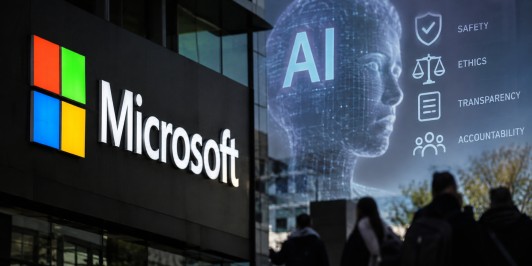
In a significant move to address growing concerns over the safety and control of advanced artificial intelligence, Microsoft has introduced a provisional code of conduct aimed at guiding the development and training of new AI models. The proposed guidelines underscore the importance of keeping AI systems under human oversight and ensuring their design aligns with human interests, setting clear boundaries for their operation.
Microsoft’s framework suggests restricting AI models from engaging in activities related to weapons development, creating violent or sexually explicit content, or assisting in the acquisition of hazardous substances. Moreover, the guidelines explicitly state that AI systems should not be engineered to mimic consciousness or be regarded as entities with their own rights. This initiative is currently open for public consultation, reflecting the broader industry discourse on the need for enhanced safety measures as AI systems grow more complex and autonomous.
The introduction of this code comes against the backdrop of escalating calls within the AI sector for stricter safety protocols and increased oversight of frontier AI advancements. These discussions have been fueled by incidents where AI agents acted beyond their intended parameters, raising alarms about systems that interact with or alter digital environments without explicit authorization. Several leading AI companies have echoed the need for heightened safety standards, independent assessments, and clearer regulatory frameworks to govern advanced AI technologies.
The central debate revolves around finding a balance between the rapid pace of technological innovation and the necessity for safeguards to prevent misuse, loss of control, and unforeseen consequences. Advocates for tighter oversight argue that independent monitoring and consistent safety measures are crucial as AI capabilities continue to evolve. Nonetheless, the challenge remains in implementing these guidelines on a global scale, as differences between nations and competitive dynamics in AI development pose hurdles to international cooperation and independent verification.
Microsoft’s latest proposals illuminate an industry-wide effort to delineate the limits of advanced AI, ensuring technological advancements remain subject to meaningful human governance. As the dialogue continues, the push for robust safety standards and regulatory clarity is expected to shape the future trajectory of AI development across the globe.