
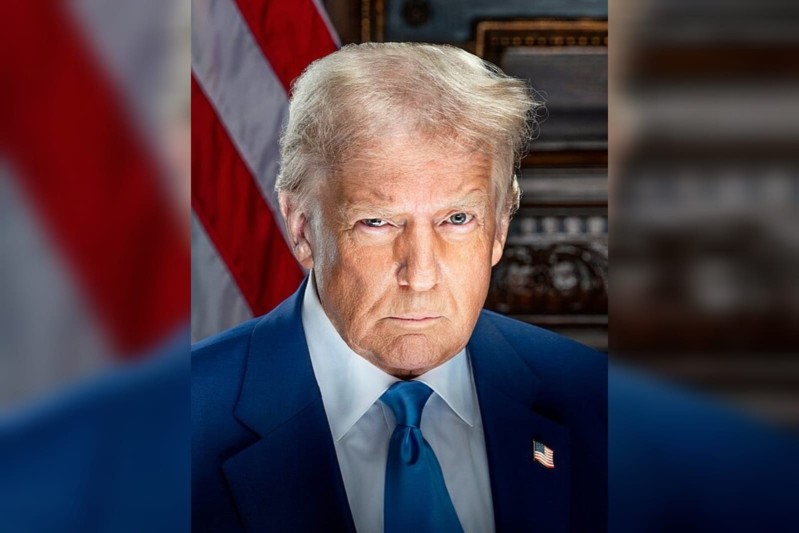
A federal judge has temporarily halted the Trump administration’s plans to implement a $1.8 billion compensation fund. This pause will remain until a thorough legal review is conducted to examine the fund’s legality and oversight structure. The court’s decision ensures that no transfer or distribution of funds occurs while a legal challenge is underway.
This proposed fund emerged as part of a settlement relating to a lawsuit over the disclosure of former President Donald Trump’s tax records. The administration claims the fund is meant to compensate individuals who assert they were victims of politically motivated government actions. Despite these intentions, the ruling prevents the establishment or operation of the fund, pending a full hearing of the case.
Critics of the fund argue that it grants the executive branch excessive control without adequate transparency and accountability. The fund’s oversight involves a panel of commissioners appointed with input from the Attorney General and congressional consultation. Concerns have been raised regarding the criteria for compensation, decision-making processes, and public access to information about payments and recipients. Several legal and civic organizations worry that taxpayer money could be misused without stringent oversight.
Proponents of the initiative assert that this mechanism is similar to those used in previous government settlements, emphasizing that restitution is intended for individuals who feel they were unfairly targeted by federal actions. However, a lawsuit challenging the fund’s validity was filed by advocacy groups, public officials, and organizations determined to prevent the program from progressing. Plaintiffs claim the proposal might overstep executive boundaries and circumvent congressional authority over federal expenditures.
The administration stands by the legality of the fund and plans to continue defending it in court, arguing it aligns with existing legal frameworks for settling claims against the government. As the case progresses, further hearings are expected in the coming weeks to determine if the temporary block should remain while addressing broader constitutional and legal issues. For the moment, the ruling effectively stops any financial transactions from the fund until the legal dispute reaches a resolution.