
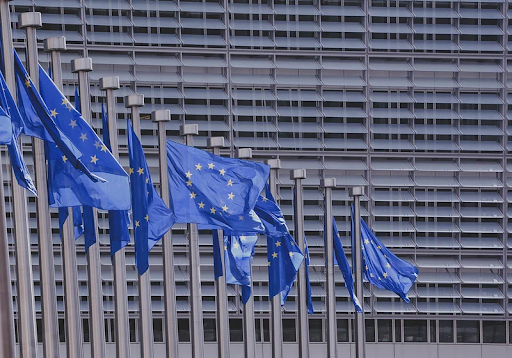
Ultimately, the fate of the proposed sanctions against Israel rests on the immense challenge of forging a consensus among the 27 distinct national wills that constitute the European Union. The proposal has thrown into sharp relief the structural difficulty of making bold, unified decisions in EU foreign policy.
Unlike in trade or regulatory matters where the EU has strong central authority, foreign and security policy remains largely the domain of the member states. Any significant action requires a high degree of consensus, often a qualified majority, which can be notoriously difficult to achieve on sensitive issues like the Middle East.
Each of the 27 governments brings its own national interests, historical baggage, and domestic political pressures to the negotiating table in Brussels. Hungary’s pro-Israel stance, Ireland’s pro-Palestinian sentiment, and Germany’s historical caution are just three examples of the deeply divergent perspectives that must be reconciled.
This process is a microcosm of the entire European project: a constant, grinding effort to forge a single policy from a multiplicity of viewpoints. It is often slow, frustrating, and leads to compromise solutions that satisfy no one completely.
The Israel sanctions proposal is a stress test for this system. It is a clear, decisive plan that will force the member states to show their hands. Whether they can unite behind it or whether it collapses under the weight of their disagreements will be a powerful statement about the current state of European integration and the EU’s true capacity to act as a singular, decisive force on the world stage.