
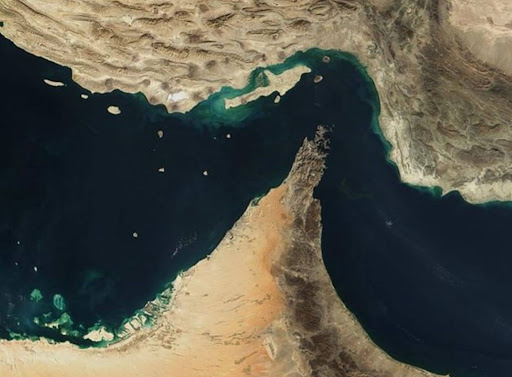
Energy economists and strategic analysts are beginning to model the consequences of an extended, unresolved Strait of Hormuz crisis — scenarios in which the blockade continues for months or even years without a diplomatic or military resolution. The modelling exercises are sobering. A sustained closure of a waterway through which one-fifth of global oil exports ordinarily flow would impose cumulative economic damage of potentially historic proportions on the global economy, reshaping energy markets, supply chains, geopolitical relationships, and the pace of the clean energy transition in ways that would be felt for decades. President Trump’s coalition-building efforts have so far failed to produce the military deterrence that might shorten the crisis.
Iran’s blockade of the strait has already generated the most severe oil supply disruption in history. Sixteen tankers have been attacked, vessels heading for allied ports have been declared legitimate targets, and the threat of mines extends the risk horizon indefinitely. France has ruled out sending ships while fighting continues. The UK has explored lower-risk options. Japan has cited a very high threshold. South Korea has pledged careful deliberation. Germany has questioned the EU mission’s effectiveness. No government has committed forces. With the military and diplomatic tracks both stalled, the question of what an extended closure would mean for the global economy is not hypothetical — it is increasingly urgent.
An extended closure would accelerate the shift in global oil trade away from Gulf sources. Nations that can access oil from other regions — including North America, West Africa, and Russia — would increasingly do so, permanently reducing the Gulf’s share of global oil supply. Nations without access to affordable alternatives would face sustained economic hardship. The Cape of Good Hope rerouting that shipping companies are already using would become a permanent feature of global energy logistics, adding permanent costs to every barrel of Gulf oil that reaches Asian and European markets. Strategic petroleum reserves would be depleted and would need to be rebuilt from alternative sources.
The geopolitical consequences of an extended closure would also be profound. China’s role as a diplomatic intermediary would be enhanced by its ability to maintain some access to Iranian oil through backchannel arrangements. The US alliance system would face sustained strain from the inability to protect a global commons that it has historically guaranteed. Iran’s demonstration that it can impose enormous costs on the US and its allies without triggering a military coalition response would embolden other regional actors. The nuclear non-proliferation regime would face additional stress as the conflict’s underlying tensions remained unresolved.
China’s diplomatic engagement with Tehran is the most important variable in determining whether the crisis moves toward resolution or extension. Beijing is reportedly in discussions with Iran about allowing tankers to pass safely, a process that could begin to prevent the worst-case scenarios from materialising. The Chinese embassy confirmed China’s commitment to constructive regional engagement. US Energy Secretary Chris Wright expressed hope that China would prove a constructive partner. The models of extended crisis consequences give every reason to hope that China’s diplomatic efforts succeed — and to invest in the multilateral frameworks that might prevent the next Hormuz crisis before it begins.