
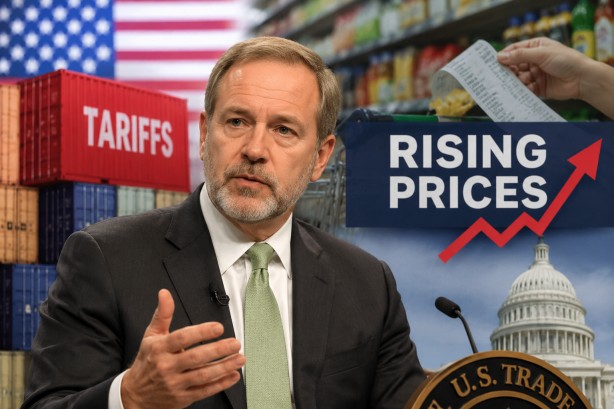
During a recent Senate hearing, U.S. Trade Representative Jamieson Greer staunchly defended the Trump administration’s tariff policies against accusations that they have burdened American families with higher costs. Greer contended that core inflation has actually subsided, dismissing the notion that tariffs are to blame for the rise in consumer prices.
Despite his defense, Greer faced criticism from Democratic lawmakers who argue that tariffs have indeed escalated expenses for households and fueled inflation. Senators Elizabeth Warren and Raphael Warnock were among those voicing opposition, highlighting estimates that suggest tariffs have significantly contributed to the increased cost of everyday goods, thereby intensifying the financial strain on consumers.
The senators challenged the administration’s reluctance to recognize the impact of tariffs on the cost of living, pointing to import duties as a major factor making goods more expensive. The dispute over tariff policy unfolds as the Trump administration gears up to implement a fresh wave of tariffs following the expiration of its current measures.
The future of U.S. tariff policy remains a critical topic as lawmakers continue to grapple with its repercussions on inflation, businesses, and consumers. As debates intensify, the administration’s approach to tariffs will be under scrutiny, particularly concerning their role in shaping economic conditions and affecting the daily lives of Americans.