
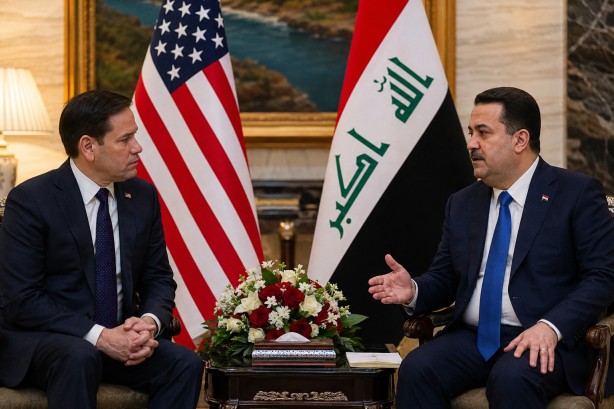
In a significant diplomatic engagement, Iraqi Prime Minister Ali Al Zaidi recently wrapped up a crucial visit to Washington, where he successfully secured several economic agreements to boost Iraq’s development. The visit underscored Iraq’s ambition to attract foreign investment and enhance security ties with the United States, positioning Al Zaidi as a leader committed to reform and modernization.
The visit was well-received by U.S. officials, marking a positive step forward in Iraq-U.S. relations. However, experts have raised concerns about the challenges Iraq may face in implementing the agreed-upon reforms. The country’s complex internal political landscape and the significant influence of Iran-backed factions could pose hurdles in executing security reforms and economic modernization efforts.
Moreover, the geopolitical dynamics of the region necessitate that Iraq carefully manages its diplomatic relations. Baghdad must adeptly navigate its ties with both Washington and Tehran, especially as regional tensions continue to simmer. This balancing act is crucial for Iraq’s stability and prosperity, given the strategic importance of both international partners.
The discussions and agreements reached during Al Zaidi’s visit have opened up new avenues for cooperation between Iraq and the U.S. However, the future success of these initiatives hinges on Iraq’s capacity to implement meaningful reforms and maintain a steady diplomatic course with its key partners. Al Zaidi’s ability to lead Iraq through these complexities will be pivotal in determining the long-term impact of this visit on the nation’s growth and regional standing.