
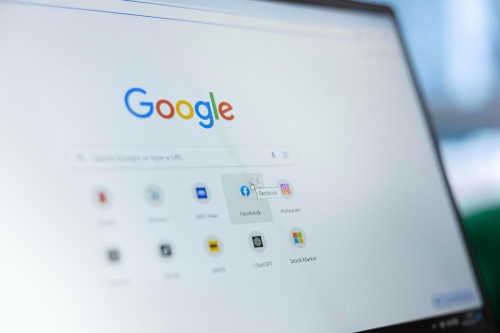
In a significant leap toward integrating artificial intelligence, Google has announced enhancements to its search functionality, which sits at the core of its globally popular website. At the company’s Google I/O conference, executives revealed that the search bar will now handle more complex and conversational queries, inviting users to interact with Google’s chatbot. This transformation is powered by the launch of Google’s latest AI model, Gemini 3.5, which aims to make text predictions and responses more intuitive and visually engaging, akin to natural human conversation. These updates are now available worldwide on both desktop and mobile versions of Google Search.
Elizabeth Reid, who leads Google Search, described the overhaul as the most substantial in the platform’s nearly three decades of existence. With the introduction of these AI elements, users will notice search results that incorporate more visual and interactive components, such as the ability to create calendar events or spreadsheets directly from the search interface. Despite these advancements, Google ensures that the traditional link-based search results remain accessible under a “Web” tab.
According to Reid, Google Search queries hit an unprecedented level last month, driven by a surge in users engaging with the Gemini-powered AI mode. This feature, which now automatically activates when users input media like photos or documents into the Chrome search bar, has seen quarterly user interactions double since its debut. Josh Woodward, overseeing the development of Gemini, stated the objective is to develop a “universal assistant” that is both personal and proactive. While 900 million people use the Gemini app monthly, this is still behind the 900 million weekly users of ChatGPT.
Further expanding its AI capabilities, Google is now offering “information agents” for subscribers to its AI Pro and Ultra plans. These autonomous bots are designed to conduct comprehensive research and provide users with detailed summaries or action plans. Additionally, the new Gemini Spark feature can pull data from users’ Gmail, Google Calendar, and other Google services to assist in organizing activities like shopping or planning trips.
In another bold move into wearable technology, Google has teamed up with Samsung, Warby Parker, and Gentle Monster to introduce “intelligent eyewear”—a new line of sunglasses and eyeglasses equipped to respond to voice commands through Gemini and capture media via built-in cameras. This initiative marks Google’s return to smart eyewear, following the unsuccessful launch of Google Glass in 2014. With the industry seeing potential in augmented reality glasses, as evidenced by Meta’s collaboration with EssilorLuxottica on similar products, Google is also developing a second model of smart glasses featuring an in-lens display, known as Project Aura.