
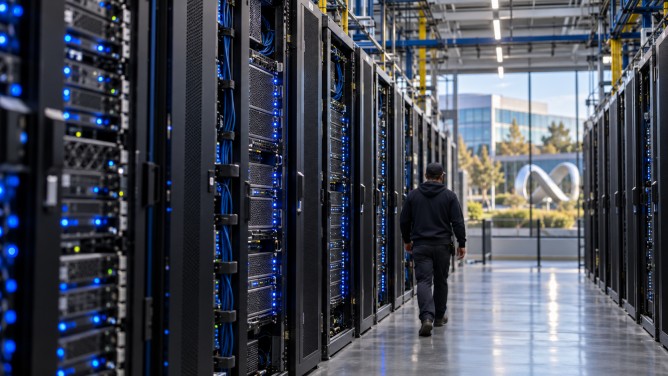
Meta Platforms has unveiled plans to raise $95 billion through stock offerings to bolster its investments in artificial intelligence infrastructure. This move underscores Meta’s commitment to expanding its AI capabilities, including the development of data centers and computing capacity.
The fundraising will occur in two stages. Initially, Meta aims to secure $35 billion through an underwritten public stock offering, with interest from major chipmakers like Nvidia, AMD, and Broadcom, who may collectively invest up to $5 billion. Additionally, Meta will initiate a $60 billion at-the-market offering, allowing shares to be sold at market prices over time. This offering will introduce a new class of non-voting Class C shares, enabling CEO Mark Zuckerberg to retain voting control.
Meta’s financial strategy is set against a backdrop of growing concerns about the stability of smaller AI infrastructure firms. Tesla and SpaceX CEO Elon Musk has highlighted the potential challenges facing over 200 companies, particularly those known as neoclouds, which lease computing power to AI enterprises. Musk cited tightening debt markets and reliance on AI data center revenue as contributing factors to possible consolidation within the industry.
The financial pressures have already impacted shares of several infrastructure providers, including Nebius, CoreWeave, and Iren, with some experiencing declines before partial recoveries. This market anxiety raises questions about whether AI computing demand will grow sufficiently to justify the substantial debts undertaken by data center operators.
Analysts suggest that Meta is in a stronger position to finance its AI expansion compared to smaller firms due to its established revenue streams and access to equity markets. This disparity highlights a growing divide in the AI sector, where large technology companies continue to invest heavily in infrastructure, while smaller providers grapple with financial risks related to debt, funding, and long-term viability.