
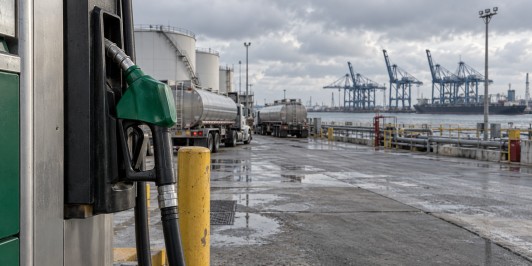
The potential restriction or ban on U.S. diesel exports could have a significant impact on both domestic fuel prices and international markets. As diesel prices soar to unprecedented levels, the U.S. administration is contemplating measures to retain more of this valuable fuel domestically, a move that could stabilize local prices but might also disrupt global supply chains.
President Donald Trump has voiced support for limiting diesel exports, suggesting that the U.S., which produces substantial amounts of diesel, should prioritize its domestic market. This stance comes amid record-high diesel prices, with the national average reaching $6.53 per gallon. The sharp increase in prices is largely attributed to disruptions in global fuel supplies, exacerbated by conflicts in Iran and Ukraine.
During discussions with Ukrainian President Volodymyr Zelenskyy, Trump emphasized the possible benefits of keeping more diesel within the U.S. borders. Treasury Secretary Scott Bessent indicated that the administration is evaluating whether a full or partial export ban would be feasible, taking into account the country’s existing refining capacity.
However, industry experts warn that such restrictions could backfire. The American Fuel and Petrochemical Manufacturers, a prominent trade group, cautions that limiting exports might lead U.S. refiners to cut back on production, which could ultimately decrease the availability of both diesel and gasoline domestically.
Adding to the complexity, Trump expressed concerns about the impact of Ukrainian strikes on Russian oil refineries, which could further strain the refining infrastructure and drive diesel prices even higher. As the administration continues to assess these potential policy changes, the focus remains on alleviating the burden of high energy costs on American consumers while considering the broader implications for international fuel markets.